
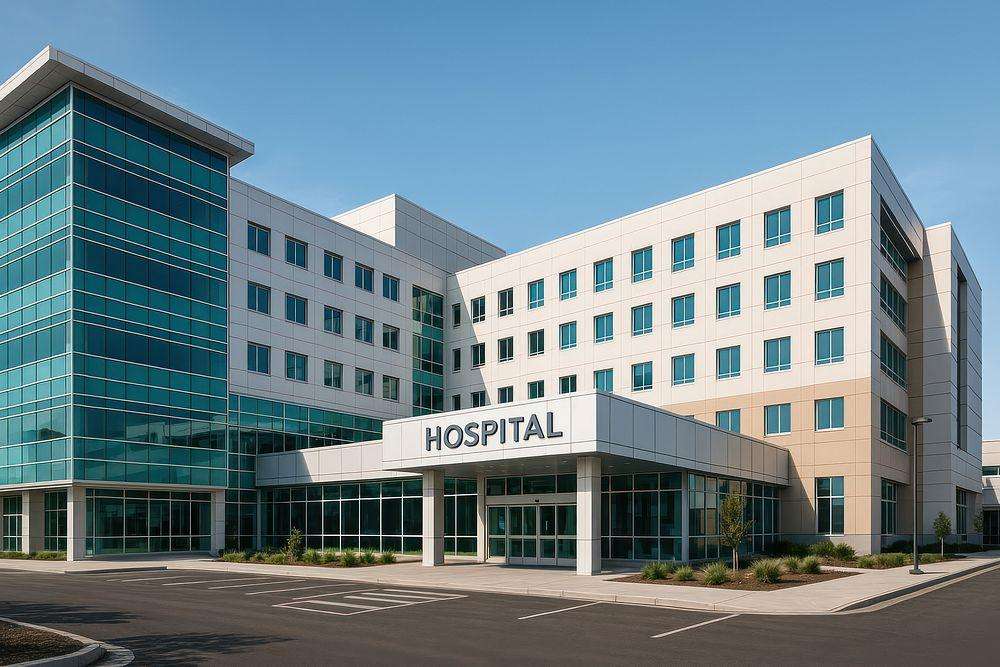
How to Plan a Modern Hospital Infrastructure Project: A Complete Guide
Planning a hospital is far more than constructing a building. A modern healthcare facility must combine patient-centered design, efficient workflows, advanced medical technology, regulatory compliance, and sustainable infrastructure. Whether you're developing a multi-specialty hospital, a specialty clinic, or a healthcare campus, proper planning is essential to ensure operational efficiency and high-quality patient care.
A well-planned hospital infrastructure project reduces construction delays, improves staff productivity, enhances patient safety, and supports future expansion. This guide explains the key stages of hospital infrastructure planning and highlights best practices for building a future-ready healthcare facility.
Why Hospital Infrastructure Planning Matters
A strategic hospital infrastructure plan improves patient care, increases operational efficiency, ensures regulatory compliance, and creates a healthcare environment that can adapt to future technologies and growing patient demands.
What Is Hospital Infrastructure Planning?
Hospital infrastructure planning is the process of designing and developing healthcare facilities that meet medical, operational, and regulatory requirements. It includes everything from site selection and architectural design to equipment planning, utilities, and project execution.
Key Components
- Hospital master planning
- Architectural design
- Structural engineering
- Electrical systems
- HVAC systems
- Medical Gas Pipeline Systems (MGPS)
- Operation Theatres
- Intensive Care Units (ICUs)
- Diagnostic departments
- Fire and life safety systems
- Future expansion planning
Proper planning ensures every department functions efficiently while maintaining patient safety, staff productivity, and operational excellence.
Define Clear Project Objectives
Before construction begins, project stakeholders should establish measurable goals. Clear objectives help architects, consultants, engineers, contractors, and hospital administrators work toward a common vision while avoiding unnecessary delays and design changes.
Questions to Consider
- What type of hospital is being built?
- How many beds are required?
- Which specialties will be offered?
- What is the expected patient volume?
- Is future expansion planned?
- What are the budget and timeline?
Clearly defined objectives improve decision-making throughout the planning, design, construction, and commissioning stages of the project.
Choose the Right Location
The location of a hospital significantly influences accessibility, patient reach, emergency response, and long-term operational success. Selecting the right site is one of the most important decisions in any modern hospital infrastructure project.
A strategically located healthcare facility improves patient convenience, supports future expansion, and enhances community healthcare services.
Factors to Evaluate
- Connectivity to major roads and highways
- Population density and healthcare demand
- Emergency vehicle accessibility
- Availability of electricity, water, and utilities
- Environmental and geographical conditions
- Space for future expansion
Proper site selection minimizes operational challenges while supporting long-term growth and efficient healthcare delivery.
Focus on Smart Hospital Design
Modern hospitals should be designed with patient comfort, operational efficiency, infection prevention, and flexibility in mind. A well-planned layout improves workflows for doctors, nurses, technicians, and support staff while creating a positive patient experience.
Important Design Considerations
- Efficient patient movement and workflow
- Separate emergency and outpatient departments
- Advanced infection control planning
- Maximum natural lighting and ventilation
- Barrier-free accessibility
- Comfortable waiting and consultation areas
- Energy-efficient building systems
A functional hospital layout improves operational efficiency while supporting patient safety and staff productivity.
Medical Equipment Planning
Medical equipment planning should begin during the architectural design phase rather than after construction. Early coordination prevents expensive modifications and ensures every department receives the required utilities and infrastructure.
Essential Considerations
- Equipment dimensions and installation requirements
- Power supply and backup systems
- Medical gas connections
- HVAC compatibility
- Maintenance and service access
- Future technology upgrades
Integrating equipment planning during the design stage reduces delays, lowers costs, and improves overall hospital performance.
NABH Compliance
Hospitals planning to achieve NABH accreditation should incorporate compliance requirements from the beginning of the project. Early planning simplifies certification and promotes quality healthcare delivery.
Benefits of NABH Planning
- Improved patient safety
- Standardized clinical procedures
- Better infection control
- Efficient risk management
- Higher operational efficiency
- Greater patient trust and satisfaction
Designing according to NABH guidelines helps hospitals maintain consistent quality standards while preparing for future accreditation.
Planning Tip
Involving architects, healthcare consultants, biomedical engineers, doctors, and hospital administrators during the planning stage creates a more efficient, patient-centric, and future-ready healthcare facility.
Sustainability in Hospital Infrastructure
Sustainability has become an essential aspect of modern hospital infrastructure planning. Green healthcare facilities not only reduce operational costs but also create healthier environments for patients, staff, and visitors. Sustainable hospitals consume fewer resources, minimize environmental impact, and improve long-term financial performance.
Sustainable Features
- Solar power generation systems
- Rainwater harvesting systems
- Energy-efficient LED lighting
- Smart HVAC management systems
- Water conservation technologies
- Eco-friendly construction materials
- Biomedical waste management systems
- Natural ventilation and daylight utilization
Implementing sustainable infrastructure not only supports environmental responsibility but also enhances operational efficiency and reduces maintenance expenses over the life of the hospital.
Digital Healthcare Integration
Technology plays a crucial role in the success of modern healthcare facilities. Integrating digital healthcare solutions during the planning phase ensures seamless operations and improves patient care.
Modern Hospital Technologies
- Electronic Health Records (EHR)
- Hospital Information Management Systems (HIMS)
- Smart Building Management Systems
- IoT-enabled patient monitoring
- AI-assisted diagnostics
- Telemedicine facilities
- Digital patient registration systems
- Automated pharmacy management
Digital technologies improve workflow efficiency, reduce manual errors, enhance patient safety, and support data-driven clinical decision-making.
Common Challenges
Hospital infrastructure projects are highly complex and require careful coordination between architects, engineers, consultants, contractors, and healthcare professionals. Without proper planning, projects may face delays and budget overruns.
Major Challenges
- Budget overruns
- Regulatory approvals
- Procurement delays
- Design modifications during construction
- Medical equipment integration
- Technology implementation
- Shortage of skilled workforce
- Project timeline management
Working with experienced hospital infrastructure consultants and project managers significantly reduces project risks while ensuring quality standards are maintained.
Expert Recommendations
Successful hospital projects begin with strategic planning and collaboration among all stakeholders. Following industry best practices helps deliver healthcare facilities that remain efficient and adaptable for decades.
- Develop a comprehensive hospital master plan.
- Engage doctors and healthcare professionals during design.
- Plan infrastructure for future expansion.
- Prioritize patient safety and infection control.
- Integrate medical technology from the beginning.
- Ensure NABH and healthcare compliance.
- Choose experienced hospital infrastructure consultants.
- Adopt sustainable construction practices.
Conclusion
Planning a modern hospital infrastructure project requires a strategic approach that combines healthcare expertise, architectural planning, technology integration, sustainability, and regulatory compliance. Every stage—from selecting the right location to designing patient-centric spaces and planning medical equipment—plays a crucial role in the long-term success of a healthcare facility.
As healthcare continues to evolve, hospitals must be designed with flexibility, innovation, and future expansion in mind. Investing in comprehensive planning today creates efficient, future-ready healthcare environments that improve patient outcomes, enhance operational excellence, and deliver lasting value to healthcare providers and communities.